
Key Takeaways
- Dentures collect plaque and bacteria daily, and skipping cleanings lets buildup harden, cause odor, and irritate the gums.
- A soft-bristled brush, non-abrasive cleanser, soaking container, and lukewarm water are all that’s needed.
- A gentle nightly clean and soak, followed by a quick morning rinse and check, keeps dentures fresh and well-maintained.
- Using regular toothpaste and hot water, sleeping in dentures, skipping soaks, and ignoring small cracks are the habits most likely to cause damage.
- Loosening, clicking, sore spots, visible wear, or trouble chewing usually signal it’s time for an adjustment or replacement.
Why Is It Important to Clean Dentures Every Day?
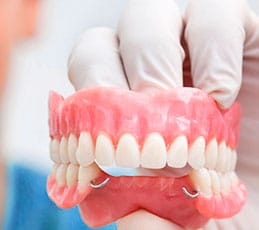
Just like natural teeth, dentures collect food particles, plaque, and bacteria as the day goes on, and that buildup hardens quickly if it’s left alone overnight. Once it sets in, it clings to the acrylic surface much like tartar clings to real teeth, and it becomes far tougher to remove. And if it’s not removed, it can cause unpleasant odors and irritate the gums that support your dentures.
We see this often at RiverRock Dental, which is why we make sure every patient understands how to clean dentures before leaving our office. A gentle routine is usually all it takes to keep denture solutions fresh and in good condition. Below, we’ll walk you through the simple steps we recommend to patients every day.
What You’ll Need to Clean Your Dentures
Before getting into the routine, it helps to have the right supplies on hand. Most of what’s needed for good denture care is already sold at any pharmacy:
- A soft-bristled denture brush
- A non-abrasive denture cleanser
- A soaking container or denture bath
- A soft towel to line the sink in case of drops
- Lukewarm water (never hot, since heat can warp the material)
How to Clean Dentures Every Day
The best way to clean dentures is to follow a simple daily routine that removes buildup, protects the denture material, and keeps your mouth healthy. Here are simple denture maintenance tips from our expert Dr. Austin Ostrander:
Nighttime Routine
Follow these steps before going to bed:
- Remove and rinse your dentures: Take out your dentures and rinse them under lukewarm water to remove loose food particles.
- Brush your dentures gently: Use a soft denture brush and a denture-safe cleanser to clean all surfaces. Avoid regular toothpaste, as it can scratch the denture surface.
- Soak your dentures overnight: Place your dentures in a denture-soaking solution or water, as recommended by your dentist, to help them maintain their shape.
- Clean your mouth: Brush your gums, tongue, and the roof of your mouth to remove bacteria and keep your oral tissues healthy.
Morning Routine
Follow these steps before wearing your dentures:
- Rinse your dentures thoroughly: Wash away any remaining soaking solution before putting your dentures back in.
- Check for residue or buildup: Inspect your dentures and clean away any leftover debris.
- Apply adhesive if needed: If you use denture adhesive, remove any old residue and apply a fresh layer as directed.
Common Denture Cleaning Mistakes to Avoid
A few small habits are behind most denture problems we see during checkups at our clinic in Shakopee. Here’s what to watch for:
- Using regular toothpaste: It looks gentle, but it’s more abrasive than it seems, and daily use scratches the acrylic surface, giving bacteria space to hide.
- Using hot or boiling water: Heat warps the base material, and even one accidental rinse under very hot water can change the fit permanently.
- Sleeping in dentures every night: The gum tissue needs a break from constant pressure, and going to bed without removing them has been linked to a higher chance of oral yeast infections.
- Skipping the overnight soak: Letting a denture sit out and dry, even for one night, can cause it to lose its shape.
- Ignoring small chips or cracks: A hairline crack might seem minor, but it gives bacteria and food debris a place to collect, which only speeds up further wear.
When Should You Replace Your Dentures?
The mouth keeps changing shape long after the teeth are gone, so a denture that felt secure at first can eventually need replacement. Some signs are worth watching for:
- Loosening or slipping, especially while eating or speaking, as the gums and jawbone slowly change shape underneath.
- Clicking or shifting while talking, which often means the fit no longer matches the mouth the way it once did.
- Sore spots or irritation that show up in the same place again and again, a sign the denture is pressing unevenly on the tissue.
- Visible wear, such as flattened biting surfaces, discoloration that won’t clean off, or small cracks that keep reappearing.
- Difficulty chewing certain foods that used to be easy, which usually points to a fit issue rather than the appliance itself failing.
Final Thoughts
There’s nothing complicated about learning how to clean dentures well. It just takes a gentle brush, a non-abrasive cleanser, a nightly soak, and lukewarm water. Patients who stay consistent tend to avoid the staining, odor, and premature wear that come with skipped steps or harsh products.
For over 15 years, RiverRock Dental has helped families across Shakopee care for their smiles, and that includes guiding denture wearers through the small habits that make the biggest difference. If any looseness, discoloration, or irritation starts showing up, call (952) 445-5556 or stop by our dental clinic in Shakopee, MN, at 403 1st Ave East for a fit check and consultation.
While there, patients curious about a longer-term alternative can ask about a complimentary dental implant consultation as well.
FAQs
A lingering odor usually points to bacteria trapped in small cracks, rough spots, or an ill-fitting area that traps food particles. If the smell persists after a thorough daily routine, it’s worth having the denture checked for hairline damage or fit issues.
Yes, acrylic is porous enough that dark beverages like coffee, tea, and red wine can gradually discolor it, especially if brushing is inconsistent.
Even a single day without cleaning allows plaque to start hardening on the surface, and a few days of neglect can lead to noticeable odor, staining, and gum irritation.
Regular mouthwash isn’t recommended for soaking dentures, since the alcohol content can dry out and weaken the acrylic material over time. A denture-specific soaking solution is formulated to clean without damaging the surface.
A diluted vinegar soak can help loosen mineral deposits occasionally, but it shouldn’t replace a proper denture cleanser for daily use. Baking soda is fine in small amounts but can be mildly abrasive with frequent use, so it’s best saved for an occasional deep clean rather than an everyday habit.